One of the best tools I've found for Family History and Genealogy is the Flip Pal. It's what my husband calls "The Affordable Portable Scanner."
Flip Pal Attributes
Mobile
Versatile
Easy and Quick to Use
Keeps Your Memories Safe
Accurate
For more information go to Scaneasy123.com (http://scaneasy123.com/index.html)
Kelly Hamon
Showing posts with label flip pal. Show all posts
Showing posts with label flip pal. Show all posts
Friday, January 4, 2013

Monday, December 17, 2012
Document and Photo Preservation Workshop: Store digital photographs in several areas
Store digital photographs in several areas
 CD/DVD
Hard
drive
Print
it---Hard copy "Whatever brand of printer you choose," he says,
"use the manufacturer's own paper and their best inks, listed on their
websites. Don't mix paper and ink brands."-- Prints can last for decades,
if not centuries
External
hard drive or some where else other than your home
Cloud
Resources
Image: http://uva.onlinejudge.org/index.php?option=com_onlinejudge&Itemid=8&page=show_problem&problem=2949
http://en.wikipedia.org/wiki/Lignin,
http://www.universityproducts.com/resources.php?m=how_to_detail&id=4,
http://homepages.rootsweb.ancestry.com/~george/preserving_photos.html,
http://www.archives.gov/preservation/family-archives/preserving-family-papers.html
http://scaneasy123.com/flip-pal%20scanner.html,
http://www.youtube.com/watch?feature=player_embedded&v=XY0h4NVbqks#!
http://www.nedcc.org/resources/resources.php,
http://www.photographymuseum.com/archival.html#small
Document and Photo Preservation Workshop: How to store Photos and Documents

How to
store Photos and Documents
News Paper Clippings should be photocopied onto alkaline paper.
Use only lignin free (Lignin or lignen is a complex chemical compound most commonly derived from wood), acid free, un-buffered paper for storing photographs or as interleaving paper in albums
Use only PVC-free plastics such as Polyester, Mylar, Polypropylene, Polyethelyne and Tyvek (Other plastics are not chemically stable and will release damaging acids over time. Especially dangerous is PVC (polyvinyl chloride) plastic commonly found in "store-bought" binders; it emits hydrochloric acid over time)
Most items in storage, especially in the collectibles arena, would benefit from storage in a buffered enclosure (non-buffered is alkaline and buffered is leaning town more neutral environment). This is especially true for the vast majority of paper items. Because of its ability to neutralize acids and extend the life of paper, photographs, textiles, and artifacts, buffering is more often than not a benefit
Scrapbooks and albums should be boxed and stored flat on shelves. Given their structure and the techniques used to mount items, scrapbooks and albums are often bulky and do not close tightly. For this reason, boxing is important to keep dust from sifting into the volumes. Flat storage also will keep loose items from falling to the bottoms of volumes, where they could become bent and damaged.
Photographic materials (prints and negatives) that are to be retained within files of textual records should be placed in polyester sleeves. Polyester film enclosures allow immediate visual access to images without the need for researchers to remove photographs Polyester film also serves as a good barrier between photographic materials and adjacent textual records in the same file. Ideally, each print or negative should be placed in an individual sleeve, and prints and negatives should be filed separately. Before they are sleeved, photographs should be lightly dusted with a soft brush.
No attempt should be made to remove photographic prints from mounts, backings, or similar supports.
In most instances, loose archival records should not be run through automatic feed devices; records that are in poor condition are especially vulnerable in such situations.
Damaged or fragile records that have been placed in polyester sleeves for physical protection should not be removed from sleeves before they are photocopied.
No attempt should be made to copy oversize records and bound volumes on photocopy machines with small copying surfaces. Records will be damaged as they are manipulated to piece together a complete image.
http://en.wikipedia.org/wiki/Lignin
http://www.universityproducts.com/resources.php?m=how_to_detail&id=4
http://homepages.rootsweb.ancestry.com/~george/preserving_photos.html
http://www.archives.gov/preservation/family-archives/preserving-family-papers.html
Document and Photo Preservation Workshop: Where to store Photos and Documents
Where to store Photos and Documents
 Storage
materials specifically designed for long-term stability (called
"archival" products)
Dark place
Dry place
High shelves well away from water pipes and in locations not prone to flooding or leaks
Cool temperature
Resources
Image
http://www.worthpoint.com/article/magazine-articles-chronicle-circus
http://genealogy.about.com/library/weekly/aa121000a.htm
http://www.archives.gov/preservation/family-archives/preserving-family-papers.html
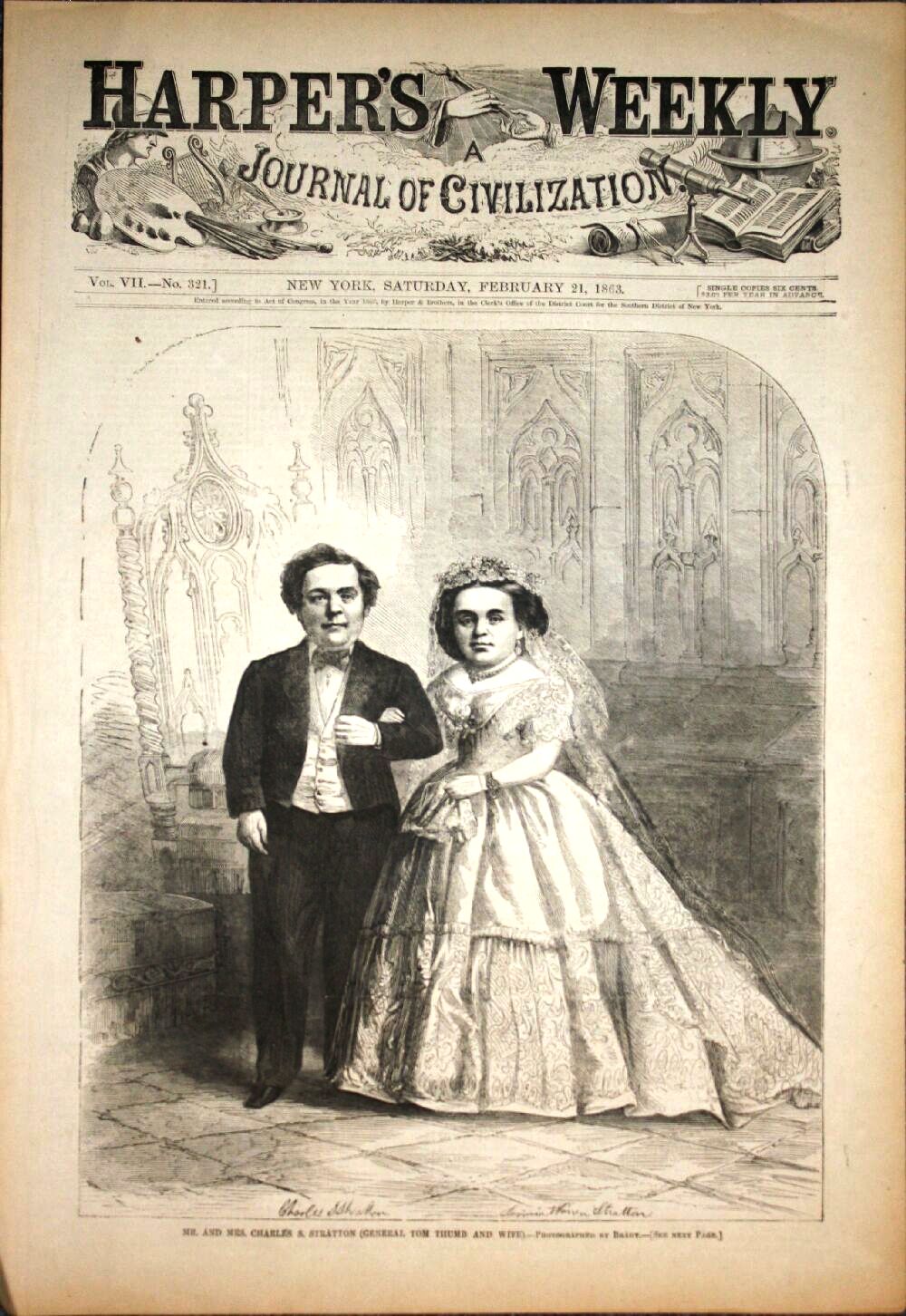 Storage
materials specifically designed for long-term stability (called
"archival" products)
Dark place
Dry place
High shelves well away from water pipes and in locations not prone to flooding or leaks
Cool temperature
Resources
Image
http://www.worthpoint.com/article/magazine-articles-chronicle-circus
http://genealogy.about.com/library/weekly/aa121000a.htm
http://en.wikipedia.org/wiki/Lignin
http://www.universityproducts.com/resources.php?m=how_to_detail&id=4
http://homepages.rootsweb.ancestry.com/~george/preserving_photos.html
http://www.archives.gov/preservation/family-archives/preserving-family-papers.html
http://www.youtube.com/watch?feature=player_embedded&v=XY0h4NVbqks#! http://www.nedcc.org/resources/resources.php
Document and Photo Preservation Workshop: Where not to store Photos and Documents
 Where not to store Photos and Documents
basements
attics
garages
negatives in the same place as your photographs
display important photos in your home
closet which backs on a shower, tub or sink
near water pipes
near fireplaces, heaters, dryers etc.
Resources
http://en.wikipedia.org/wiki/Lignin
http://www.universityproducts.com/resources.php?m=how_to_detail&id=4
http://homepages.rootsweb.ancestry.com/~george/preserving_photos.html
http://www.archives.gov/preservation/family-archives/preserving-family-papers.html
http://www.youtube.com/watch?feature=player_embedded&v=XY0h4NVbqks#! http://www.nedcc.org/resources/resources.php
Document and Photo Preservation Workshop: Enemies of Photographs and Documents
 Enemies of Photographs and Documents
- Dust
- Direct sunlight
- Dirt
- Your hands
- Direct florescent light
- Insects
- Rodents
- Adhesives---Do not use glues (especially rubber cement) or pressure sensitive tapes to mend photographs or hold them in albums. Most glues contain substances such as sulfur and acids which will cause your photos to deteriorate. Look for special photo-safe glues and tapes in the archival section of your favorite photo or craft store.
- Sulfur compounds that can be given off by wood or rubber and trigger fading many of the products sold by frame shops and retailers contain materials like high-acid wood pulp and Polyvinyl Chloride that can trigger deterioration.
- Widely fluctuating humidity
- Extreme temperature fluctuation
- Paper that’s not acid-free and lignin-free
- "Magnetic" photo albums can leave adhesive residues on images
- Vinyl album pages can give off harmful fumes
- Ink
- Rubber bands
- Paper clips
- sulfur dioxide
- fresh paint fumes
- plywood
- cardboard
- fumes from cleaning supplies
- Avoid cheap photo albums and paper and plastic storage products that aren't specifically made for storing photos. Regular envelopes, ziplog bags and other things commonly used for photo storage
- Do not take special family photos (wedding photos, baby photos, etc.) to an inexpensive photo developer for processing, especially one hour services. It is important that the film is developed with fresh chemicals and that the negatives are washed sufficiently (for at least an hour) and only professionals usually provide these services. Ask questions and make sure you get what you are paying for.
Resources
Image
http://en.wikipedia.org/wiki/Lignin
http://www.universityproducts.com/resources.php?m=how_to_detail&id=4
http://homepages.rootsweb.ancestry.com/~george/preserving_photos.html
http://www.archives.gov/preservation/family-archives/preserving-family-papers.html
http://www.nedcc.org/resources/resources.php
http://www.photographymuseum.com/archival.html#small
Subscribe to:
Posts (Atom)